Mideast: A Bold Script Font
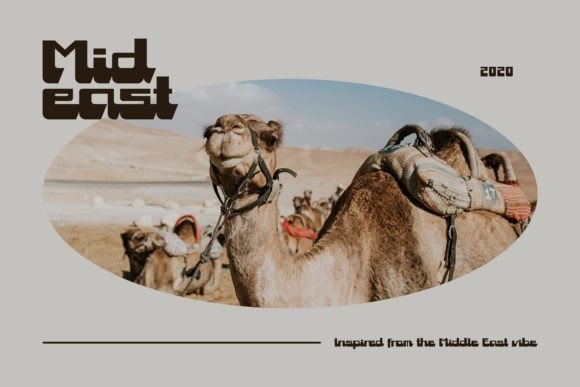
Choosing the right font for a blog header can feel like finding the perfect accessory for an outfit—something that complements the overall look without overpowering it. When I was redesigning a lifestyle blog, I found myself drawn to Mideast, a script font inspired by Middle Eastern calligraphy. Its bold and flowing shapes offered a sense of movement and energy that matched the blog’s fresh, modern aesthetic.
Visual Character and Editorial Appeal
Mideast carries a unique visual rhythm, blending the elegance of traditional Arabic calligraphy with contemporary design sensibilities. The font’s curves and flourishes give it a handcrafted feel, while its strong structure ensures it doesn’t lose clarity in digital or print formats. It’s not just a decorative element—it’s a typeface that can carry the weight of editorial content when used thoughtfully.
Its personality is both expressive and refined, making it ideal for projects that aim to evoke a sense of cultural richness or artistic flair. Whether it’s used in a magazine cover, a cookbook title, or a social media graphic, Mideast adds a layer of visual interest that feels authentic and intentional.
Real-World Applications
I tested Mideast in several editorial layouts, from a recipe ebook to a printable planner. In the ebook, it worked well as a chapter opener, giving each section a distinct identity without disrupting the reading flow. For the planner, it added a personal touch to headers and key sections, making the content feel more engaging and organized.
When used in a wedding guide, Mideast brought a sense of warmth and tradition to the design. Its fluid lines complemented the soft, romantic tone of the content, while its boldness made it stand out on page spreads and promotional materials.
Readability and Visual Hierarchy
While Mideast is a display font meant for headlines and accents, it also performs well in larger sizes where its details can shine. On screens and in print, it maintains legibility at sizes 36pt and above, making it suitable for titles, pull quotes, and section headings. However, it’s not ideal for long paragraphs or small text, where its ornate style might hinder readability.
For optimal use, pair Mideast with a clean sans serif or a readable serif font. This contrast helps establish a clear visual hierarchy, guiding readers through the content while maintaining a cohesive design language. In a newsletter layout, for example, Mideast could be used for the headline, with a simple sans serif for body copy and captions.
Practical Considerations
Before using Mideast in any project, it’s important to check the available styles, alternates, and ligatures. These features can add depth and flexibility to the font, allowing for more nuanced typographic expressions. Additionally, consider the file formats and licensing terms—especially if the font will be used in commercial projects like ebooks, templates, or client work.
Mideast supports multiple languages, which makes it versatile for international audiences or multilingual publications. Its inclusion of various weights and styles also allows for greater creative control, whether you’re designing a logo, a packaging label, or a digital magazine.
When to Use Mideast
Mideast excels in contexts that prioritize visual impact over sustained reading. It’s perfect for cover fonts, brand logos, and editorial features that demand attention. In a coaching workbook, for instance, it could be used to highlight key takeaways or motivational quotes, reinforcing the message with its expressive form.
However, it’s best to avoid using Mideast for body text, small captions, or dense paragraphs. Its intricate details can become distracting in these scenarios, especially on mobile devices or in PDF exports where scaling might affect clarity.
Designing with Mideast
Incorporating Mideast into an editorial layout requires a balance between creativity and practicality. For a digital magazine, it could serve as a header font, paired with a neutral sans serif for subheadings and body text. In a printable planner, it might appear in section dividers or special notes, adding a touch of personality without overwhelming the user.
As a premium font, Mideast offers a level of sophistication that can elevate any design project. Whether you're working on a lifestyle blog, a recipe ebook, or a wedding guide, it provides a way to express your brand’s voice with confidence and style.